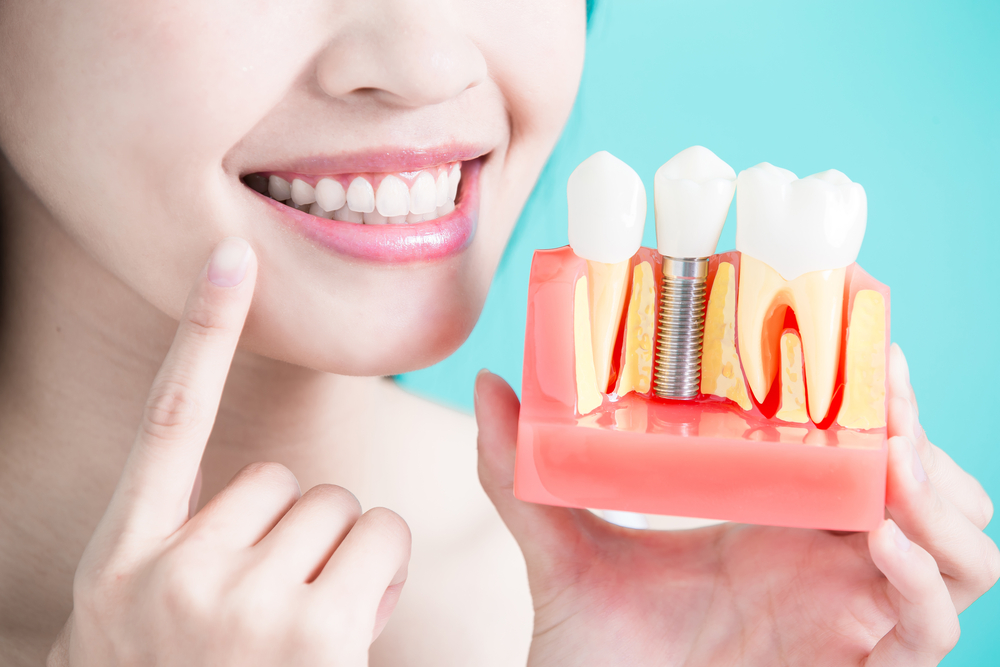
The Importance of Osseointegration in Dental Implants
Osseointegration is a critical process in the success of dental implants, where the titanium implant post fuses with the jawbone. This biological process ensures that the implant is securely anchored, providing stability and strength comparable to natural tooth roots.
Successful osseointegration typically takes a few months, during which the jawbone heals around the implant. Factors such as bone density and overall health can influence this process. Regular follow-ups with Dr. Latif will help monitor your progress and ensure that the implant integrates properly.
Dental Implant Care and Maintenance
Proper care and maintenance are essential for the longevity of your dental implants. Just like natural teeth, dental implants require regular brushing, flossing, and dental check-ups to prevent gum disease and ensure their durability.
Incorporating a good oral hygiene routine and avoiding harmful habits, such as smoking, can significantly enhance the lifespan of your implants. Dr. Latif may recommend specific care practices tailored to your individual needs to keep your implants in optimal condition.
Potential Risks and Complications of Dental Implants
While dental implants are generally safe, understanding the potential risks and complications is crucial for prospective patients. Some patients may experience infection, nerve damage, or issues with osseointegration, which can affect the success of the implant.
Being aware of these risks allows patients to make informed decisions. Dr. Latif will discuss your medical history and any potential concerns during the consultation, ensuring you are fully prepared for the procedure and its aftercare.
Comparing Single-Tooth Implants to Other Tooth Replacement Options
Single-tooth implants offer unique advantages over traditional tooth replacement methods, such as bridges and dentures. Unlike bridges, which require alteration of adjacent teeth, implants stand alone and do not affect neighboring teeth.
Additionally, implants provide a more permanent solution, as they are designed to last a lifetime with proper care, whereas bridges and dentures may need replacement or adjustment over time. Understanding these differences can help patients choose the best option for their dental needs.