Deciding whether or not to get a dental implantto replace missing teeth can be a major life decision. With all of the information — and misinformation — on the internet, you may feel confused about myth vs. fact.
At the Columbus, OH, implant dentistry officeof Dr. Sam Latif, our experienced team takes care to help you understand every step of your dental implant journey. Ready to get started? Schedule your free consultation today by calling (614) 459-7300.
Myth #1: Getting Implants Hurts
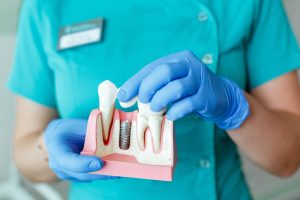
While many potential implant patients worry about experiencing pain during the process, most experience very little to no pain or discomfort with dental implant surgery. Advances in technology allow implant surgery to be minimally invasive, with little to no downtime needed for recovery.
Local anesthetics also help keep patients comfortable throughout the procedure. Some minor swelling and tenderness can occur in the days following surgery, but it’s easily manageable with over-the-counter pain medication.
Myth #2: Implants Don’t Look Natural
A dental implant consists of three parts designed to feel and function like your natural tooth:
The implant post
The abutment
The dental crown
Dental implants’ structure mimics the structure of a natural tooth, with the implant post acting as the root. The dental crown is the only visible portion of the restoration and sits above your gum line. This structure provides superior durability and comfort than other restoration options.
Myth #3: Anyone Can Get Dental Implants
Although dental implants have high success rates overall, a good candidatedoes need to meet certain qualifications. Enough bone density and volume are required at the implant site for the titanium post to properly fuse.
Additionally, gum and oral health conditions like periodontitis can threaten long-term success if not properly managed before placement. A comprehensive evaluation allows your implant dentist to advise if implants work for your needs.
Myth #4: Implants Often Fail
When properly placed by an experienced implant dentist, implants have exceptional longevity. The latest statistics show implant survival rates exceeding 95 percent over a decade or longer. With excellent oral hygiene and routine dental visits, they can often last 20 to 30 years or more before potentially needing repair or replacement.
Myth #5: Implants Break Easily
Dental implants fuse securely in the jaw, making them very stable and durable. The titanium post and custom-made zirconia or porcelain crown are incredibly strong and built to withstand the pressures of regular chewing and biting.
Myth #6: Implants Need Special Care
Once healing after the implant placement surgery is complete, caring for the restorationis quite similar to caring for natural teeth. Brushing twice and flossing once daily maintains good oral hygiene.
Patients should also see a dental provider for regular cleanings and routine exams — just like with regular teeth. Avoiding very hard or chewy foods helps prevent excessive wear or damage, too.
Myth #7: Dental Insurance Won’t Cover Implants
More and more dental insurance plans offer some coverage for implants for their preventative qualities. This can cover some of the cost for services like extractions, bone grafts, the implant post itself, the abutment and crown, and more.
Patients can speak to their provider about assessing available coverage. Additional financing options may also be available.
Myth #8: Implants Aren’t Worth the Cost
Though implant treatment represents an upfront investment, implants often provide good value over time. Unlike a conventional denture or bridge, they don’t require ongoing adjustments, repairs, or messy adhesives.
By preserving bone structure and facial contours better than a removable partial or complete denture, they maintain the ability to eat, speak, and smile naturally. Considering the boost to comfort, confidence, and quality of life from this permanent solution, dental implants can be priceless.
Myth #9: Getting Implants Takes A Long Time
Technology continues to shorten implant treatment times. In many cases, same-day implants featuring a pre-manufactured crown placed on the surgically implanted post right away can be provided.
Even traditional two-piece implants typically require only three to six monthsfor complete healing before the realistic-looking custom crown is attached to the abutment. Some newer protocols even allow crowns to be attached sooner than that in certain cases.
Myth #10: Implants Need Bone Grafts
Bone graftingallows providers to place implants even if jaw volume is insufficient on its own. Materials like powdered bone are implanted during surgery to stimulate the regeneration of bone cells in volume and density to properly support the implant post.
However, due to advanced 3D imaging and implant design options, bone grafting may not always be necessary depending on a patient’s existing bone health and the number of teeth being replaced.

Call Dr. Latif For Your Implant Consultation
Rather than relying on internet searches, get the real facts on implants and clear up any confusion during an exam consultation. Our experienced dentists are here to help guide your decision-making process and answer all questions.
To schedule a visit at Ohio Cosmetic Dentists’ conveniently located Columbus office, call (614) 459-7300or use our online contact form. Discover how implants may be able to beautifully and permanently replace your missing teeth!
Understanding Dental Implants: Myths and Realities
Dental implants have become a popular solution for replacing missing teeth, yet many potential patients harbor misconceptions that can deter them from considering this effective option. Understanding the realities behind dental implants is crucial for making informed decisions about your oral health and treatment options.
By addressing common myths, such as concerns about pain and the longevity of implants, patients can gain a clearer perspective on the benefits of choosing dental implants. This comprehensive approach not only helps to alleviate fears but also empowers patients to explore solutions that enhance their quality of life.
The Importance of Choosing an Experienced Implant Dentist
Selecting a qualified and experienced implant dentist is essential for the success of your dental implant procedure. An experienced professional can ensure that the implants are placed correctly, significantly reducing the risk of complications and enhancing the overall outcome.
Moreover, a skilled dentist will provide personalized care, taking into account individual health conditions and preferences. Their expertise will guide you through the entire process, from initial consultation to aftercare, ensuring a smooth and successful dental implant journey.
Long-Term Benefits of Dental Implants
Dental implants offer numerous long-term benefits that go beyond aesthetics. They help maintain the integrity of the jawbone, prevent bone loss, and promote overall oral health, making them a superior choice compared to traditional dentures and bridges.
Additionally, implants can significantly improve daily functions such as eating and speaking, ultimately enhancing your quality of life. With proper care, dental implants can last a lifetime, providing a durable and reliable solution for tooth replacement.
Preparing for Your Dental Implant Consultation
Preparing for your dental implant consultation is an important step in your journey towards restoring your smile. During this initial visit, you will discuss your dental history, current oral health, and any concerns you may have regarding the procedure.
It's beneficial to come prepared with questions and a list of medications you are currently taking. This information will assist your dentist in determining your candidacy for implants and in creating a tailored treatment plan that meets your specific needs.
Understanding Dental Implants: Myths and Realities
Dental implants have become a popular solution for replacing missing teeth, yet many potential patients harbor misconceptions that can deter them from considering this effective option. Understanding the realities behind dental implants is crucial for making informed decisions about your oral health and treatment options.
By addressing common myths, such as concerns about pain and the longevity of implants, patients can gain a clearer perspective on the benefits of choosing dental implants. This comprehensive approach not only helps to alleviate fears but also empowers patients to explore solutions that enhance their quality of life.
The Importance of Choosing an Experienced Implant Dentist
Selecting a qualified and experienced implant dentist is essential for the success of your dental implant procedure. An experienced professional can ensure that the implants are placed correctly, significantly reducing the risk of complications and enhancing the overall outcome.
Moreover, a skilled dentist will provide personalized care, taking into account individual health conditions and preferences. Their expertise will guide you through the entire process, from initial consultation to aftercare, ensuring a smooth and successful dental implant journey.
Long-Term Benefits of Dental Implants
Dental implants offer numerous long-term benefits that go beyond aesthetics. They help maintain the integrity of the jawbone, prevent bone loss, and promote overall oral health, making them a superior choice compared to traditional dentures and bridges.
Additionally, implants can significantly improve daily functions such as eating and speaking, ultimately enhancing your quality of life. With proper care, dental implants can last a lifetime, providing a durable and reliable solution for tooth replacement.
Preparing for Your Dental Implant Consultation
Preparing for your dental implant consultation is an important step in your journey towards restoring your smile. During this initial visit, you will discuss your dental history, current oral health, and any concerns you may have regarding the procedure.
It's beneficial to come prepared with questions and a list of medications you are currently taking. This information will assist your dentist in determining your candidacy for implants and in creating a tailored treatment plan that meets your specific needs.